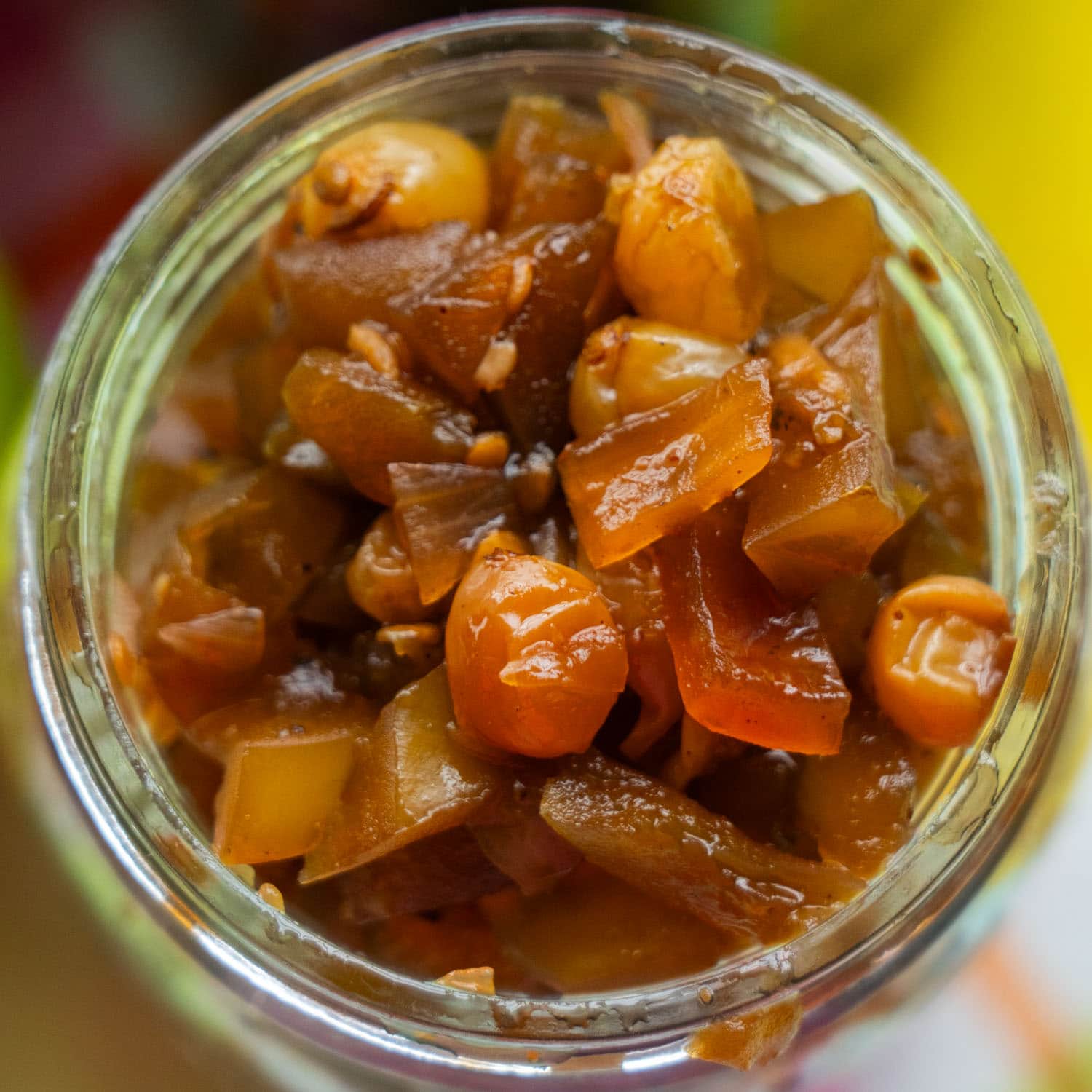
Garden-Fresh Green Tomato Chutney: Simple Steps for Lasting Flavor
The changing seasons bring a unique rhythm to the garden, and sometimes, unexpected challenges. Picture this: autumn whispers arrive early, threatening a frost that leaves your tomato plants heavy with unripened green fruit. Or perhaps your bountiful harvest simply yielded more green gems than you know what to do with. Don't despair! This isn't a gardening setback, but rather a delicious opportunity. Those firm, tart green tomatoes are the secret ingredient to a culinary masterpiece: homemade chutney. This irresistible condiment, celebrated for its unique sweet-tangy profile, expertly combines the crisp tartness of unripe green tomatoes with the mellow sweetness of red onions, plump raisins, and a warming blend of spices. What’s more, once you master this simple recipe, you'll discover how easy it is to preserve your creation, whether through convenient
refrigerator storage or traditional canning.
The Allure of Homemade Green Tomato Chutney
There's a special satisfaction that comes from transforming garden surplus into something truly extraordinary. Green tomato chutney stands out not just for its incredible flavor, but also for its versatility and the resourcefulness it embodies. Far from being a mere accompaniment, it’s a vibrant symphony of tastes that can elevate a simple meal to something memorable.
Why should green tomato chutney be your next kitchen project?
- Embrace Resourcefulness: It's the perfect solution for unripe tomatoes left at the end of the growing season, preventing waste and celebrating every part of your harvest.
- Unforgettable Flavor Profile: Unlike ripe tomato preserves, green tomato chutney offers a distinctive tang that beautifully balances the sweetness of raisins and sugar, rounded out by aromatic spices. It's complex, comforting, and utterly delicious.
- Incredible Versatility: From enhancing savory dishes to elevating snacks, this chutney is a culinary chameleon.
- Homemade Goodness: There's no substitute for the fresh, wholesome taste of a homemade condiment, free from artificial additives. Plus, the aroma that fills your kitchen as it simmers is pure bliss!
Whether you plan to store a single jar in the refrigerator for immediate enjoyment or embark on a larger canning project to stock your pantry, this recipe is straightforward and incredibly rewarding.
Crafting Your Tangy Treasure: A Step-by-Step Guide
Making green tomato chutney is surprisingly simple, primarily involving chopping, stirring, and simmering. The magic happens as the ingredients slowly cook down, their flavors melding into a rich, thick, and utterly delightful spread. This recipe yields approximately three 1-pint jars, perfect for sharing or enjoying over several weeks.
Gathering Your Ingredients
The beauty of this chutney lies in its harmonious blend of readily available ingredients. Selecting firm, unblemished green tomatoes is key to achieving the right texture and tang.
You will need:
- 4-5 large green tomatoes (about 6 cups), thoroughly washed and chopped into small, even pieces
- 2 large red onions (about 3 cups), finely chopped
- 1 cup raisins (regular or golden), adding a delightful chew and natural sweetness
- 3 cloves garlic, minced
- 1.5 cups granulated sugar (or light brown sugar for a deeper, molasses-like note)
- 1 cup apple cider vinegar (essential for tang and aids in preservation)
- 1/2 teaspoon ground nutmeg
- 1/2 teaspoon ground cloves
- 1/2 teaspoon ground ginger
- 1/4 teaspoon cayenne pepper (adjust to your preferred level of heat)
- 2 teaspoons sea salt
A quick tip for the spices: While this recipe uses ground spices for convenience, if you prefer the subtle infusion of whole spices, you can place a teaspoon of whole cloves, a cinnamon stick, and a few cardamom pods in a tea ball or tied securely in a small square of cheesecloth. Add this sachet to the pot with the other ingredients and remove it before jarring.
The Art of Simmering
The cooking process is a patient one, allowing the flavors to deepen and the chutney to reach its perfect consistency.
- Combine All Ingredients: In a large, heavy-bottomed pot or Dutch oven, combine the chopped green tomatoes, red onions, raisins, minced garlic, sugar, apple cider vinegar, nutmeg, cloves, ginger, cayenne pepper, and sea salt.
- Stir to Combine: Give everything a good stir to ensure all ingredients are fully integrated and the sugar begins to dissolve.
- Bring to a Boil: Place the pot over high heat and bring the mixture to a rapid boil, stirring occasionally.
- Reduce and Simmer: Once boiling, reduce the heat to a low simmer. This is where the magic happens! Continue to simmer gently, stirring frequently to prevent sticking and burning, especially as it thickens.
- Cook Until Thick: The chutney will gradually thicken, reducing in volume and darkening in color. This process can take anywhere from 2 to 3 hours, depending on the water content of your tomatoes and the desired consistency. You’re looking for a rich, spreadable chutney that holds its shape when stirred and leaves a clear path when you drag a spoon across the bottom of the pot.
- Cool and Prepare for Storage: Once the chutney reaches your desired thickness, remove the pot from the stove. Carefully ladle the hot chutney into clean, sterilized jars, leaving a 1/4-inch headspace from the rim. If you're planning to store it in the refrigerator, simply add lids and allow the jars to cool completely on the counter for about an hour before transferring them to the fridge.
Flavor Variations & Personal Touches
While the classic recipe is fantastic, don't hesitate to experiment:
- Add Fruit: Diced apples or pears can add another layer of sweetness and texture.
- Adjust Heat: For more spice, increase the cayenne or add a finely minced jalapeño. For less, omit the cayenne entirely.
- Vinegar Choices: While apple cider vinegar is traditional, white vinegar offers a sharper tang, and a touch of balsamic can add depth.
- Spice Blends: Experiment with a hint of cinnamon, cardamom, or even a pinch of mustard seeds for different aromatic notes.
Unlocking Flavor: Creative Ways to Enjoy Your Chutney
The beauty of homemade green tomato chutney lies not just in its creation but in its endless applications. Its complex sweet, sour, and spicy notes make it a truly versatile condiment. For more inspiration on making and using green tomato chutney, check out our guide:
Don't Waste Green Tomatoes: Easy Chutney Recipe & Creative Uses.
Here are some fantastic ways to incorporate this tangy treasure into your meals:
- Elevate Simple Meals: A dollop on top of plain basmati or Spanish rice transforms it into a flavorful, satisfying dinner. It’s also superb spooned over scrambled eggs or folded into an omelette for a gourmet breakfast.
- Cheese Board Companion: Pair it with sharp cheddar, creamy goat cheese, or a robust blue cheese on crackers or crusty bread for an unforgettable appetizer.
- Sandwich and Wrap Enhancer: Spread it liberally on your favorite sandwich – it's particularly magical on grilled cheese, adding a bright, tangy counterpoint to the rich melted cheese. It also works wonderfully in turkey wraps or with roasted chicken sandwiches.
- Marinade or Glaze: Whisk it into a marinade for chicken or pork, or brush it onto grilled meats during the last few minutes of cooking for a glossy, flavorful glaze.
- Unexpected Salad Dressing: Thin it slightly with a touch of olive oil and a squeeze of lime juice for a unique and zesty salad dressing.
- Accompaniment to Roasts: Serve alongside roasted chicken, pork loin, or even a simple baked fish for an extra layer of flavor.
Preserving Perfection: Green Tomato Chutney for Refrigerator and Canning
Once you’ve crafted your delicious chutney, the next step is deciding how to store it. You have two excellent options: quick refrigeration for short-term enjoyment or a more involved canning process for long-term pantry stability. Mastering both methods ensures you can enjoy your garden's bounty year-round.
Refrigerator Storage: Quick & Convenient
For those who want to enjoy their chutney relatively soon or are making a smaller batch, refrigerator storage is the easiest method.
- Fill Jars: Carefully ladle the still-warm chutney into clean, sterilized mason jars, leaving about 1/4 inch of headspace at the top.
- Cool: Securely place the lids on the jars. Allow them to cool completely on your kitchen counter for at least an hour.
- Refrigerate: Once cooled, transfer the jars to your refrigerator.
Shelf Life: Green tomato chutney stored in the refrigerator will last for approximately 4 weeks. Always use a clean spoon each time you retrieve chutney to prevent contamination.
Mastering the Art of Canning for Long-Term Storage
Canning is an excellent way to preserve your green tomato chutney, extending its shelf life significantly and allowing you to enjoy summer's flavors long after the gardening season ends. This method is ideal if you're making a large batch or want to give jars as thoughtful homemade gifts. For a deeper dive into safe canning practices, refer to our comprehensive guide:
Mastering Green Tomato Chutney: Canning & Refrigerator Storage.
Equipment You'll Need:
- Mason jars (pint-sized or half-pint) with new lids and bands
- Large pot with a canning rack (or a deep stockpot and a heat-proof trivet)
- Canning tongs
- Wide-mouth funnel (optional, but highly recommended)
- Clean kitchen towels
Canning Process:
- Prepare Jars: Wash jars, lids, and bands in hot, soapy water. While sterilization is generally recommended for processing times under 10 minutes, for 15 minutes processing, simply clean jars are usually sufficient. Keep jars hot until filling to prevent thermal shock.
- Fill Jars with Chutney: Ladle the hot chutney into the prepared hot jars, leaving precisely 1/4-inch headspace from the top rim. Use a damp paper towel to wipe the jar rims clean of any residue – this is crucial for a proper seal.
- Secure Lids and Bands: Center a new, flat lid on each jar, then screw on the metal band just until fingertip-tight (do not overtighten).
- Process in Water Bath:
- Place a canning rack in the bottom of your large pot and fill the pot halfway with water. Bring the water to a boil over high heat.
- Carefully lower the filled jars into the boiling water using canning tongs, ensuring they are not touching each other.
- Add more boiling water if needed, making sure the tops of the jars are covered by at least 1 inch of water.
- Bring the water back to a full, rolling boil, then process for 15 minutes. Adjust for altitude if necessary (add 5 minutes for every 1,000 feet above sea level).
- Cool and Check Seals: After 15 minutes, turn off the heat and let the jars sit in the hot water for 5 minutes before carefully removing them with canning tongs. Place the hot jars on a dish towel or wooden cutting board on your counter, ensuring there's space between them.
- Allow to Cool Overnight: Let the jars cool completely and undisturbed for 12-24 hours. As they cool, the lids should "pop" inward, indicating a vacuum seal.
- Verify Seals: After cooling, check each lid. The center of the lid should be concave and not flex when pressed. If any lid hasn't sealed, store that jar in the refrigerator and consume within 4 weeks.
Canned Chutney Storage: Properly sealed jars of green tomato chutney should be stored in a cool, dark, dry cabinet. It is best enjoyed within 1 year for optimal flavor and quality. Once opened, always refrigerate the jar and consume within a few weeks.
This green tomato chutney recipe is more than just a way to use up excess produce; it's an invitation to savor the flavors of your garden and extend the joy of harvest season. With simple steps and both refrigerator and canning options, you can ensure a lasting supply of this delicious, versatile condiment. So, gather your unripe green tomatoes, embrace the art of homemade preservation, and prepare to delight your taste buds!